
A company order is not customized by adding a logo at the last minute: the diary, pen, insert, box, and packing plan each have separate specifications. By the end, you will know how to choose those components, prepare approval-ready artwork, compare quotations, and organise batches for employees or events.
Key takeaways
- Customize only the components that support your budget and brand use.
- Match foil, screen, UV, or embossing to the artwork and material.
- Choose diary size, paper, binding, and pen comfort for daily employee use.
- Confirm samples, artwork, quantities, packaging, and delivery terms before production.
Which parts of the gift set can be customized?
You can customize the cover, interior, pen, presentation box, and insert—or keep several components standard. A branded diary and pen set does not need a fully custom specification.
For the diary, choose cover colour and material, company logo, employee name, and decoration: debossing, foil stamping, screen printing, UV printing, or full-cover artwork. A stock diary block can stay unchanged while the cover receives a logo.
A fully specified block can include A5 or A6 size, page count, dated or undated pages, ruling, calendar year, language, binding, elastic closure, ribbon marker, pen loop, and inner pocket. Changing the calendar year or interior after approval can create obsolete stock and restart production.
For the pen, define logo placement, barrel and clip colours, engraving or printing, refill colour, tip size, mechanism, and model. Confirm that the refill remains available after the campaign.
| Standard combination | Separate specifications |
|---|---|
| Stock diary and pen | Custom diary, pen, box, and insert |
| Lower setup and sampling burden | More control over every component |
| Lower practical minimum quantity | Higher minimum quantities, tooling, sampling, and lead time |
Choose the standard combination when speed, modest quantities, and predictable cost matter. Choose separate specifications when the diary format, pen model, packaging, or employee data must match a precise brief.
A custom diary pen gift set manufacturer should quote diary, pen, box, and insert as separate decoration components, because each substrate and process has its own setup cost. Treating the set as one product hides those charges and makes revisions harder to control.
How should artwork and materials determine the branding method?
Choose the branding method from the substrate and logo detail, not from a screen mock-up. A mark that reads clearly on an A5 cover may need a simplified, one-colour version on a pen, box, or insert.
1. Ask for exact print-area dimensions, logo clear space, safe margins, minimum line thickness, colour limit, artwork scale, imprint position, and acceptable colour tolerance. For the pen, confirm whether the area is flat, rotary, curved, interrupted by a clip, or partly hidden by a seam.
2. Supply vector artwork in AI, EPS, or editable PDF format. Include SVG where accepted, and attach a high-resolution PNG only as a reference. State Pantone or CMYK values; Pantone guides spot-colour work, but the approved physical sample remains the better colour reference across mixed materials.
3. Match the process to the surface. Debossing or foil stamping suits leatherette, paperboard, and textile-covered covers; screen printing suits simple spot colours on fabric or coated surfaces; UV or pad printing suits many rigid pen barrels.
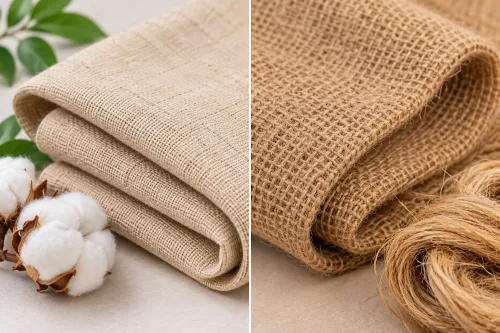
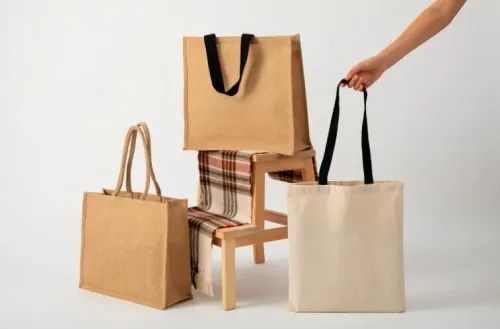
4. Request a jute swatch or physical pre-production sample. Woven jute brings slubs, weave variation, colour shifts, and less predictable edge-to-edge registration, which matters in a custom office gift set.
5. Approve a digital proof, then inspect one complete physical sample showing the diary, pen, insert, and final box together. For SP Jute Craft Enterprises, this check helps confirm that a jute component, seam, elastic, or die-cut holder has not compromised the approved imprint.
Related product
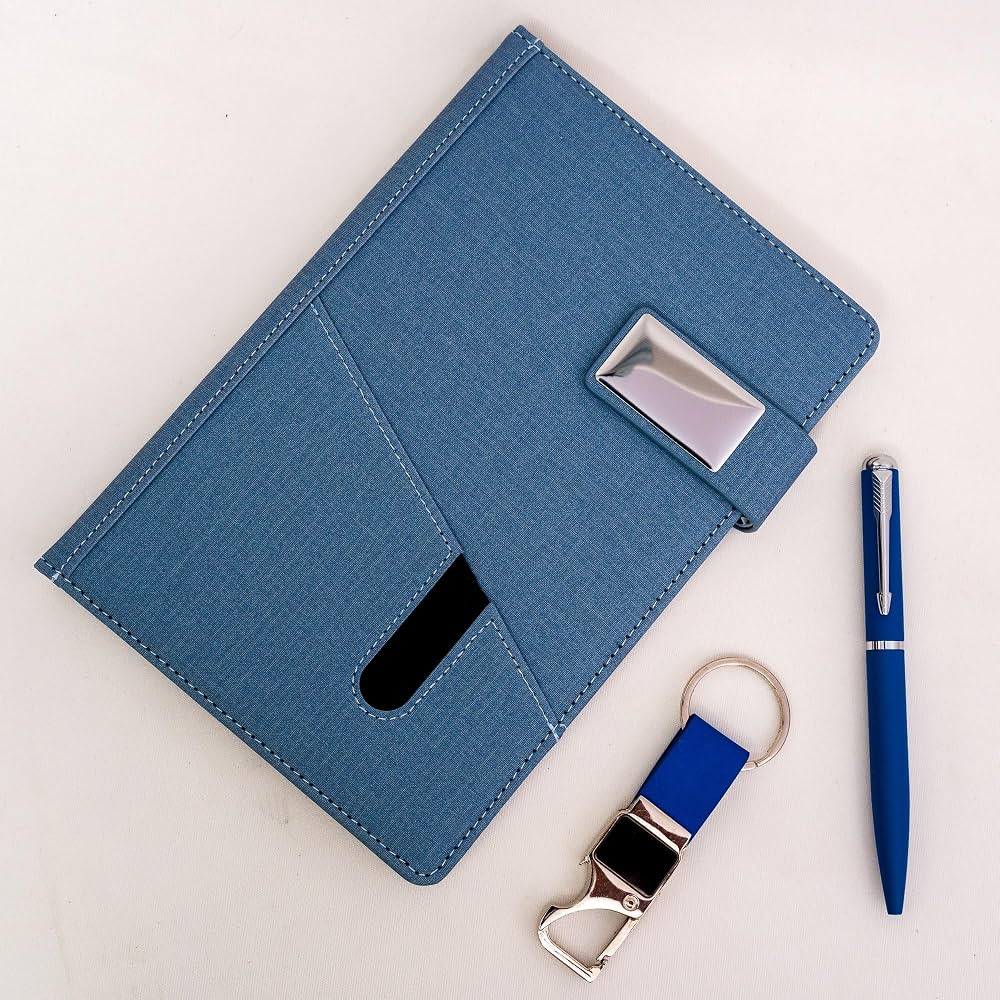 | CORPORATE GIFTING # Diary and Pen Gift Set for Corporate Gifting – SP Jute Craft Enterprises Make corporate gifting practical and professional with a **Diary and Pen... View product → |
How do you choose a diary and pen employees will actually use?
Choose A5 for meeting notes, project planning, and a substantial writing area; choose A6 when the set must fit a handbag, jacket pocket, or conference bag.
| Size | Best use | Main compromise |
|---|---|---|
| A5 | Meetings, planning, detailed notes | Less portable |
| A6 | Handbags, pockets, conference bags | Smaller writing area |
Fix the interior before approving appearance or price. Specify dated or undated pages, calendar year, page count, language, ruling, paper colour and weight, binding, elastic closure, ribbon markers, pen loop, inner pocket, and whether pages are printed one-up or assembled as signatures.
Changing the year or page layout after approval can create obsolete stock and reset production.
Test the diary block with the intended pen across several pages. Check opacity, feathering, drying time, show-through, and smearing; paper weight alone does not predict writing performance.
Specify the pen as a writing instrument, not merely a logo carrier:
- Ballpoint or rollerball, black or blue ink, and tip size
- Grip comfort, mechanism type, writing performance, and refill availability
- Clip security on the diary loop or cover
- Refill model and a replacement plan after the campaign
A diary pen gift set for employees needs a usable pen: the cheapest model can make the whole set feel poor, while a high-specification instrument is unnecessary for a short conference handout. Approve one complete sample using the actual diary paper and actual pen together, never substitute components that only look similar.
How do quantity, batches, and packaging change the quotation?
A quotation becomes misleading when setup charges are buried in the per-set price. Ask the corporate diary pen supplier to separate unit pricing from screen or pad-printing screens, foil or embossing dies, moulds, tooling, artwork adaptation, sampling, and packaging setup.
| Configuration | MOQ and cost effect | Delivery effect |
|---|---|---|
| Stock diary and pen with logo | Lower threshold; existing components and simple decoration | Shorter after artwork approval |
| Stock diary with printed diary block | Higher threshold for the interior print run | Add page production and assembly time |
| Custom-moulded pen or bespoke rigid box | Higher MOQ, mould or tooling charge, and larger component commitment | Include mould-making and component procurement |
| Employee-specific sets | Quantity split across names or departments can raise handling costs | Add variable-data checking, labels, and separate packing |
Do not assume one MOQ applies to every configuration. Confirm the minimum for the selected diary stock, pen, decoration method, and box before comparing prices.
Divide the order into named batches: new-joiner kits, conferences, training programmes, annual meetings, client gifting, and festival distribution. For names or departments, confirm the data-file format, variable-data artwork, proofreading responsibility, label positions, separate packing lists, and the deadline after which changes incur charges.
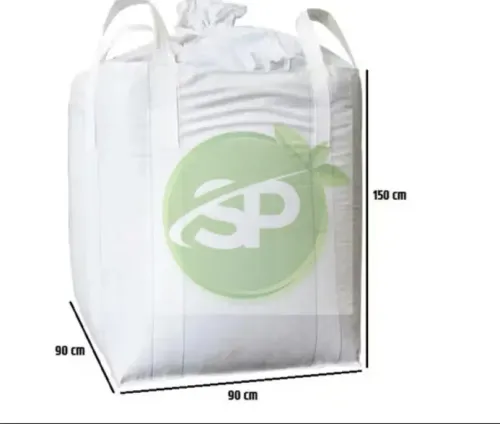
Specify packed dimensions, units per carton, gross carton weight, stacking limits, and whether each diary pen gift set for employees is packed individually or shipped in bulk. Define lead time from artwork approval, deposit receipt, or sample approval—not only from the purchase order.
Set a latest acceptable delivery date and shipment-inspection plan, then ask how imported components, die-making, peak-season capacity, and sea or air freight affect it.
What should you verify before approving production?
Approve production only after a written approval sheet and a complete assembled sample match. Record the logo dimensions, position, clear space, colours, cover and pen materials, diary year, page layout, paper specification, pen ink, refill model, insert text, box dimensions, and acceptable colour or registration tolerance.
- Check the physical sample for a rotated pen imprint, a logo hidden by the spine or elastic, different logo positions on the diary and box, and a pen that does not fit the die-cut holder.
- Ask for the material composition of every component, recycled-content evidence for each claim, and recycling or separation instructions for mixed-material packaging. If FSC-certified paper or board is specified, request the relevant FSC certificate or product documentation. A jute cover proves none of these claims by itself.
- Require the quotation to state what happens when production differs from the approved proof, who pays for rework, and how shortages or damaged cartons are handled.
Compare suppliers on more than the opening price:
| Supplier measure | What to verify | Why it matters |
|---|---|---|
| Sample quality | Diary, pen, insert, and box assembled together | Reveals fit and alignment failures |
| Specification control | Written tolerances and approval records | Limits proof-to-production drift |
| After-sales support | Refill replenishment and shortage handling | Protects continued use |
| Repeat-order consistency | Matching materials, colours, and positions | Keeps future batches consistent |
This process helps you assess a custom diary pen gift set manufacturer for a custom office gift set without mistaking attractive presentation for production readiness.
Frequently asked questions
Which parts of a diary and pen gift set can be customized?
You can customize the diary cover, page layout, pen, presentation box, message insert, and packaging. Keeping some components standard reduces cost and production time.
How should artwork and materials determine the branding method?
Use embossing or debossing for leatherette and textured covers, foil for a refined single-colour mark, screen printing for suitable flat surfaces, and UV printing for detailed artwork.
How do you choose a diary and pen employees will actually use?
Check the diary size, paper quality, ruling, binding, cover durability, pen grip, ink flow, and refill availability. Match the format to employees’ work routines.
How do quantity, batches, and packaging change the quotation?
Ask for separate prices by quantity tier and batch, then confirm setup charges, artwork charges, packaging type, inserts, shipping, taxes, and the cost of split deliveries.
What should you verify before approving production?
Approve a physical or digital pre-production sample and verify logo size, colours, spelling, page layout, pen print, box dimensions, quantities, packing instructions, and delivery date.
Keywords